1. What the Law Says About Home Hairdressing
In France, the law distinguishes two cases:
-
Classic hairdressing with treatments (shampoo, cut, coloring): requires a vocational certificate (CAP) or an authorization to practice
-
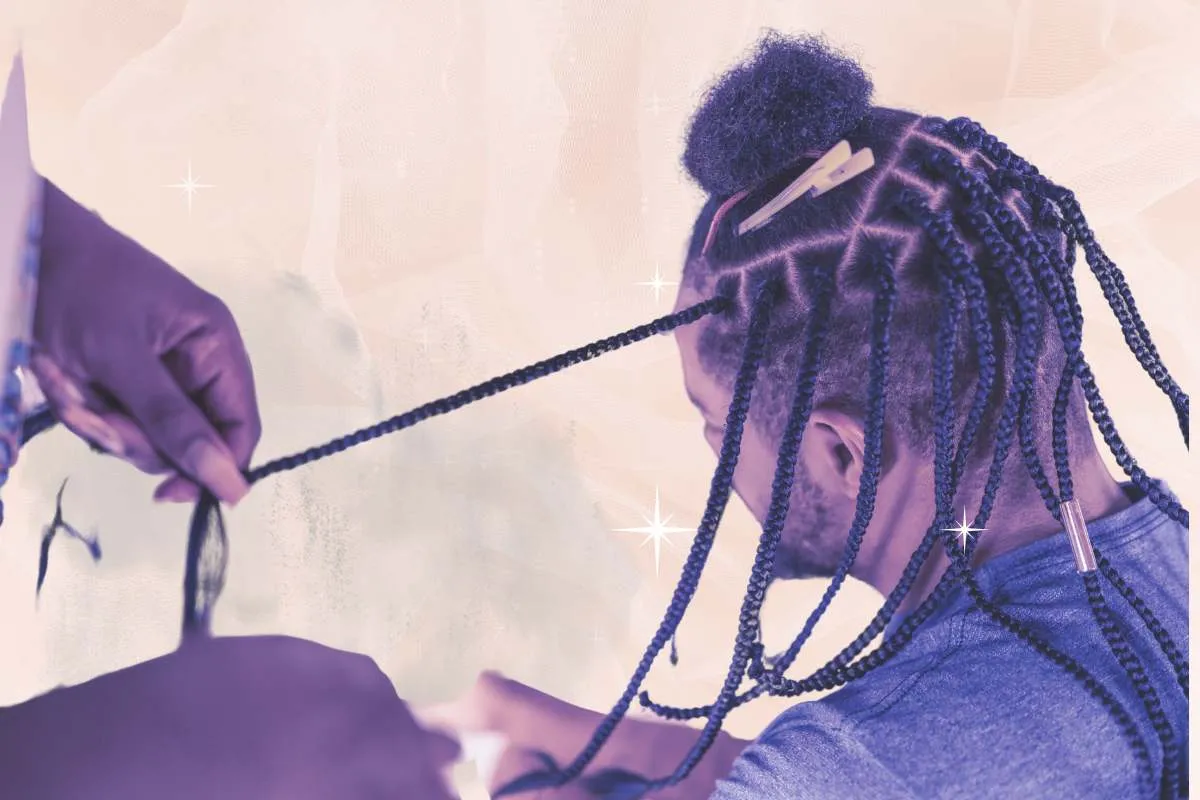
Hairstyles without treatments (braids, twists, locks, updos, etc.): no diploma required
Reference: Order of March 17, 1997, relating to Afro hairdressing activities without the use of chemical products
In other words: if you do not touch the scalp or use chemical products, you can do home hairdressing without a diploma.
2. What Zenaba Requires
Zenaba is a networking platform, not a salon. It does not require a diploma, but it does verify:
-
That you know how to perform the proposed hairstyles
-
That your profile is serious and complete
-
That you respect basic rules (punctuality, client respect, hygiene)
You must be of legal age and have self-employed (auto-entrepreneur) status to receive payments.
3. How to Practice Legally Without a Diploma
Here are the key steps to legally do home hairdressing:
-
Register as a self-employed (auto-entrepreneur) individual
-
It's free and fast on autoentrepreneur.urssaf.fr
-
-
Declare your activity
-
Choose: "Personal care / aesthetic treatments without medical care"
-
Specify "hairdressing without treatments" if needed
-
-
Maintain simple accounting
-
You declare your income monthly or quarterly
-
You only pay charges if you collect payments
-
Good to know: you can start hairdressing as soon as your declaration is validated, without a diploma or a physical location.
No need for a vocational certificate (CAP) to do home hairdressing if you only offer services without treatments.
Zenaba allows you to practice freely, provided you are serious, competent, and well-organized. All while respecting current legislation.
It's not the diploma that makes the hairdresser; it's talent, rigor... and client satisfaction.